
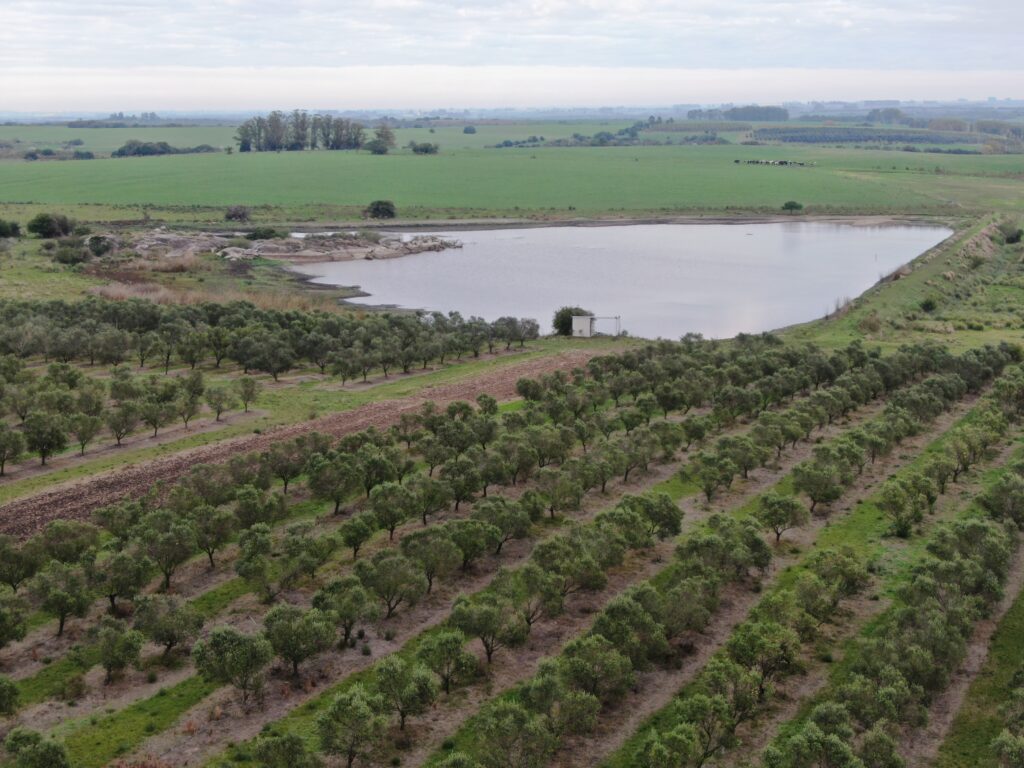
Why Uruguayan Wine Matters for Investors
Uruguay may not be the first name that comes to mind when thinking of wine, but its wine industry is gaining global respect. With a favorable climate, increasing export growth, sustainability certifications, and signature grape varieties like Tannat, Uruguayan wine offers both cultural cachet and potential value to investors in agricultural real estate.
For investors from the U.S. already considering farmland in Uruguay, exploring vineyard or mixed agriculture + vineyard opportunities allows diversification into a premium agricultural niche.
Uruguay has approximately 5,991 hectares planted under vine. Approximately 180 wineries operate in the country.
It is estimated that Uruguay produces around 684,000 hectolitres annually (though figures can vary with climate).
In 2023, the production figure was reported as 102,964 tonnes across 9,023 hectares of vineyards.
In 2024, exports of bottled Uruguayan wines grew by 40% in volume, reaching 4.64 million liters, with revenue increasing by 49%, reaching about €19 million.
In 2024, Uruguay exported packaged wines increasing ~16% in liters compared to the prior year.
Major export destinations include Brazil, the United States, the United Kingdom, and Mexico. In 2024, the U.S. accounted for ~14% of Uruguay’s wine export volume.
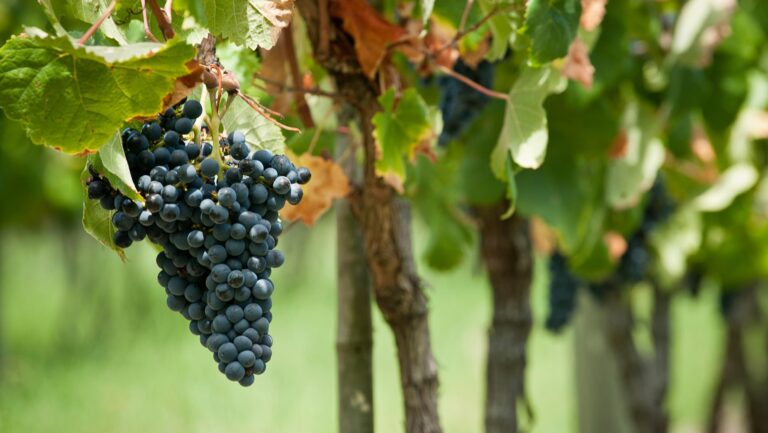
Grape Varieties & Region Concentration
Tannat is the signature red variety in Uruguay.
Other varieties include Merlot, Cabernet Sauvignon, Cabernet Franc, Sauvignon Blanc, Chardonnay, and Albariño.
Approximately 83% of wine production originates from the southern departments of Canelones, Montevideo, and San José.
Uruguay is also working toward sustainable wine certifications: by 2023, over 30% of its vineyards (1,846 hectares) and some 30 wineries were part of the National Sustainable Wine-growing Program.
Strengths & Advantages of Uruguayan Wine
Uruguay offers favorable conditions for viticulture thanks to its maritime climate with moderate temperatures that reduce extremes, sufficient annual rainfall of 850–1,250 mm that limits the need for intensive irrigation, and a remarkable diversity of nearly 100 documented soil types that allow for varied wine styles, particularly Tannat.
Beyond natural advantages, the wine sector is distinguished by its commitment to quality and traceability: Uruguay is one of the few countries to have georeferenced all vineyards and wine establishments, and over 30% of vineyards (about 1,846 hectares) and 30 wineries were certified under the national sustainable program by 2023. Although only around 5% of Uruguayan wine is exported, the U.S. already represents roughly 20% of those exports, reflecting the industry’s growing recognition abroad.
How Wine & Farmland Can Combine in Uruguay
For investors seeking farmland in Uruguay, adding vineyard components or purchasing vineyard parcels offers several synergies:
Mixed agriculture synergy: Combine cattle, grains, or forestry with vineyards to diversify revenue streams.
Premium land value: Vineyard land often commands higher per-hectare values due to its specialized nature.
Wine tourism uplift: Properties in wine regions can attract visitors, tastings, events, and educational tourism.
Export & brand upside: Opportunity to build boutique brands, export niche wines, and tap premium markets.
Tannat is Uruguay’s signature red variety, representing a major portion of plantings.
In 2024, bottled wine exports increased ~40%, reaching 4.64 million liters.
Yes — by 2023, over 30% of vineyards (1,846 hectares) and 30 wineries had joined the national sustainable wine‐growing certification.
Around 83% of wine is produced in Canelones, Montevideo, and San José departments.