
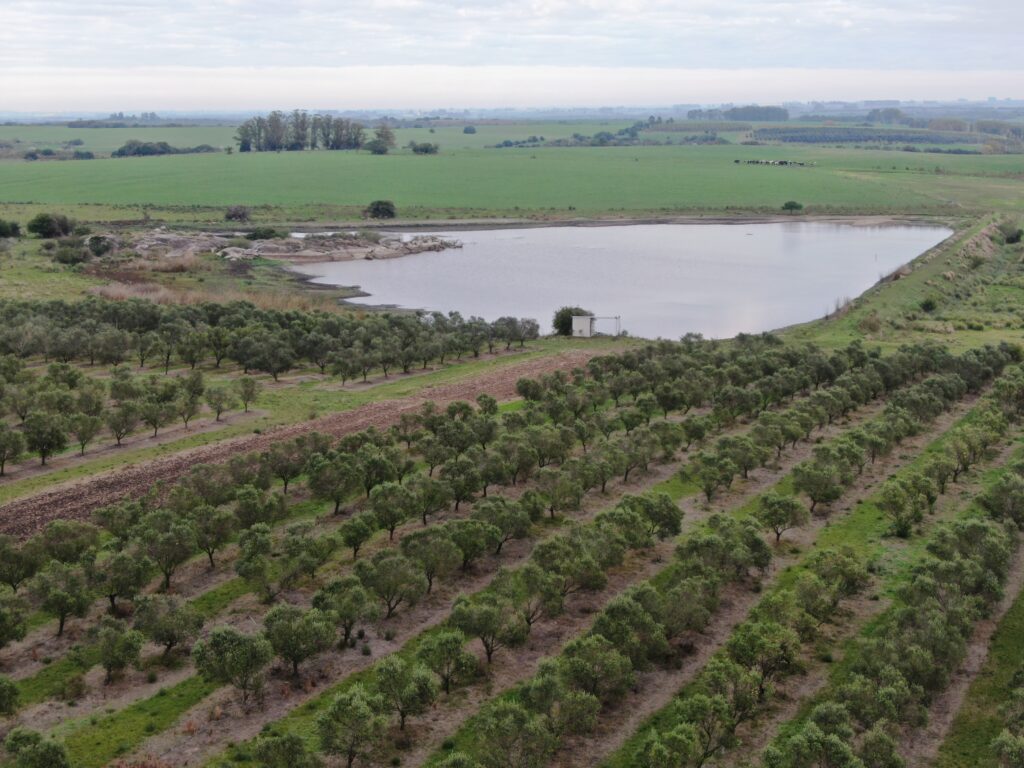
Why Cows in Uruguay Are Central to Its Agricultural Appeal
Uruguay is one of the world’s most renowned beef producers. For U.S. investors looking into farmland, the “cows in Uruguay” sector offers important strengths: large herd numbers, strong export channels, full-traceability, and a well-established livestock culture. Understanding these factors helps you evaluate farmland investments appropriately.
Key Facts about Cows in Uruguay
Herd Size and Proportion to Population
Uruguay has about 11.7 million head of cattle.
This is roughly four times Uruguay’s human population (≈3.4 million people), making the cattle per capita ratio unusually high.
Export Volumes & Markets
Beef exports in 2024 reached approximately 361,720 tons (shipped weight).
The livestock sector (including meat, dairy, leather, wool, etc.) in 2023 exported products equivalent to about 695,000 tons of meat products, with export revenues of ~US$ 4 billion.
Traceability & Animal Health
Uruguay has a full traceability system, meaning each animal is tracked from birth throughout its life. This is a competitive advantage in global markets.
The beef sector is also noted for strong sanitary status and disease control, which supports Uruguay’s reliability for export.
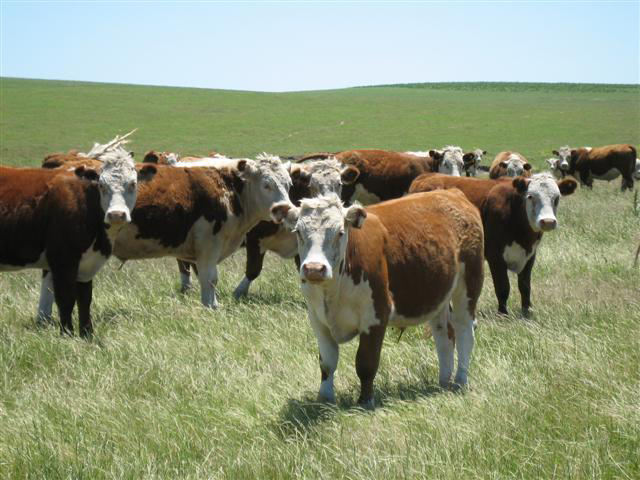
Why “Cows in Uruguay” Matters for Investors
Natural Conditions & Production Practices
Uruguay uses grass-based systems for a large portion of its cattle raising. This often means lower input costs (e.g. feed) compared to feedlot-intensive systems.
There are about 150 feedlots that finish approx. 20% of the country’s steers; the rest are finished on pasture or with less intensive supplementation.
Export Demand & Global Position
Strong demand from major buyers including China, the European Union, Israel, and other markets.
Beef is one of Uruguay’s top export products by value
How UruguayFarms Helps You Navigate the “Cows in Uruguay” Investment
At UruguayFarms, we assist U.S. investors interested in cattle and farmland with:
Identifying properties with good pasture, water access, and soil conditions suitable for efficient cattle operations.
Verifying herd numbers, health, and disease status via official systems.
Ensuring export certification and traceability compliance.
Structuring legal, tax, and operational details to maximize returns and reduce risk.
Approximately 11.7 million cattle as of the latest reports.
Yes. Uruguay has a nationwide traceability system tracking animals from birth, considered a key strength in its export profile.
In 2024, Uruguay exported around 361,720 tons of beef (shipped weight).
Strong sanitary standards, robust traceability systems, favorable natural conditions (grasslands, water), and solid export demand from many markets. UruguayFarms helps you verify these factors locally.