
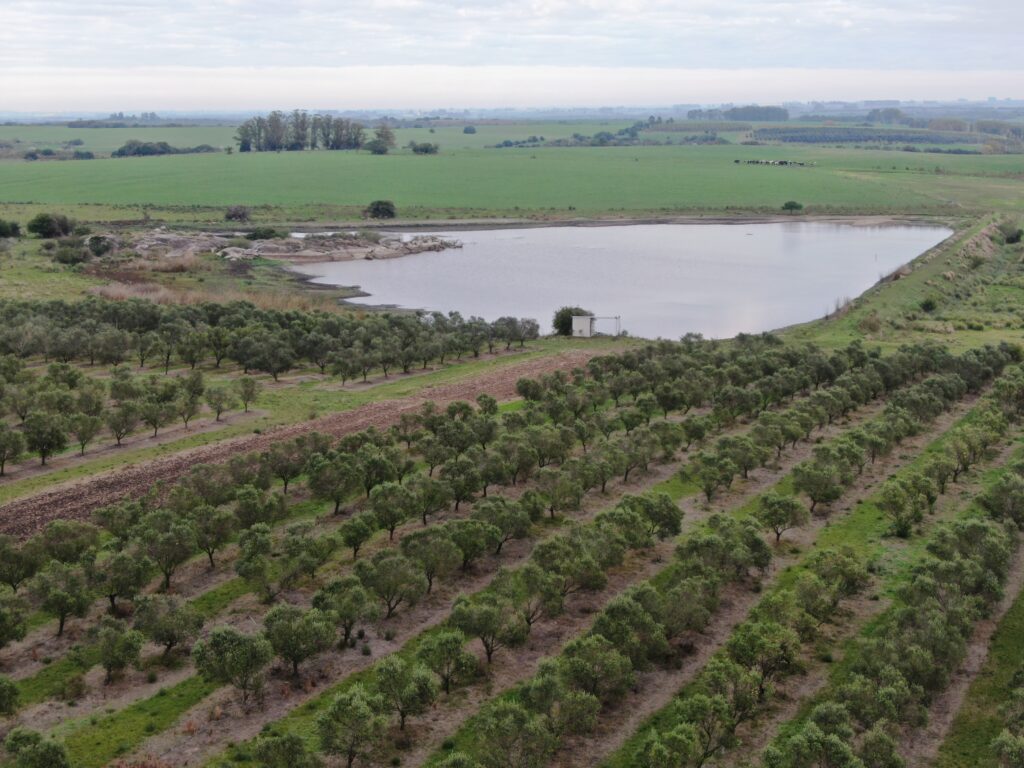
Why Uruguay Agriculture Matters
Global demand for food is steadily rising, and farmland has become one of the most resilient asset classes. Investors are increasingly turning to Uruguay agriculture as a stable, transparent, and profitable opportunity.
With fertile soils, abundant water resources, political stability, and investor-friendly policies, Uruguay offers unique advantages that set it apart from other agricultural markets in Latin America. For U.S. investors, farmland in Uruguay represents not only a solid hedge against inflation but also a chance to diversify portfolios with tangible, income-generating assets.
The Strengths of Uruguay Agriculture
Uruguay’s agricultural potential is deeply rooted in its natural conditions:
-
Non-degraded soils across most of the country.
-
Even rainfall throughout the year, ensuring reliable crop cycles.
-
The Guarani Aquifer, one of the largest freshwater reserves in the world.
-
Temperate climate, ideal for multiple crops and livestock.
-
Possibility of two harvests per year (average long-term: 1.7).
These conditions position Uruguay as one of the world’s most productive and sustainable farmland locations.
A Global Agricultural Player
Uruguay, with a population of just over 3 million, feeds over 40 million people worldwide. Its agricultural exports are globally competitive:
-
6th largest exporter of soybeans.
-
5th largest exporter of dairy products.
-
4th largest exporter of rice.
-
5% of global beef exports, with 100% traceability of its herd – a unique feature in the world.
This consistent production underscores Uruguay’s role as a trusted supplier in global food markets.
Stability and Security for Investors
Unlike other regions, Uruguay offers long-term political and economic stability. Investors benefit from:
-
Equal treatment for foreign and local investors.
-
No currency exchange restrictions.
-
Free capital repatriation.
-
Transparent land markets, supported by the CONEAT index (a government system classifying soils by productivity).
-
Strong legal system and respect for private property.
These safeguards ensure that investing in Uruguay agriculture is secure, predictable, and straightforward.
Investment Opportunities in Uruguay Agriculture
- Crop Farming
Uruguay produces soybeans, wheat, corn, rice, and barley at globally competitive levels. The demand for soybeans in particular has made crop farming one of the country’s strongest investment areas.
- Cattle Ranching
Beef is Uruguay’s flagship export, renowned for quality and full traceability. Cattle farming (Angus, Hereford) continues to be highly profitable, supported by global demand.
- Dairy Production
With world-class dairy genetics and competitive yields, Uruguay’s dairy industry ranks among the top five global exporters.
- Forestry Investments
Eucalyptus and pine plantations thrive in Uruguay’s soil and climate, with short growth cycles (8–10 years for eucalyptus) and high FSC certification standards, making forestry another strong agricultural asset.
How Uruguay Farms Helps You Invest
At UruguayFarms, we specialize in guiding foreign investors through the entire farmland acquisition process:
-
Identifying, comparing, and sourcing farmland opportunities.
-
Legal and tax structuring.
-
Assistance with conveyance and due diligence.
-
Ongoing farm management or leasing options.
Whether you want a hands-on investment or prefer a turnkey, fully managed solution, UruguayFarms ensures your farmland acquisition is safe, transparent, and profitable.
Because Uruguay offers fertile land, political stability, tax advantages, and transparent markets, making it one of the safest and most profitable destinations for farmland investment.
Yes. Foreign investors have the same rights as locals. There are no restrictions on land ownership, and repatriation of profits is tax-free.
Soybeans, wheat, rice, and corn are the main crops. Cattle and dairy farming are also highly profitable, while forestry offers strong long-term returns.
The CONEAT index provides an official productivity rating for each parcel of land, ensuring a transparent market and helping investors assess fair value.
Returns vary depending on the type of land and operation, but farmland typically provides both annual cash returns and long-term appreciation, making it a resilient asset.